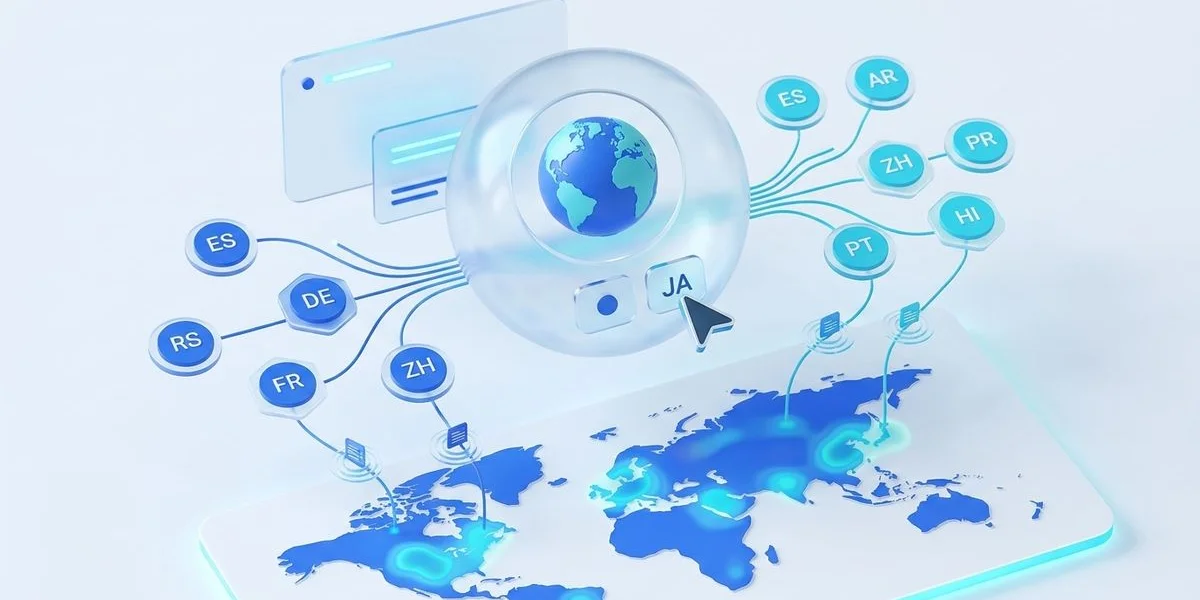
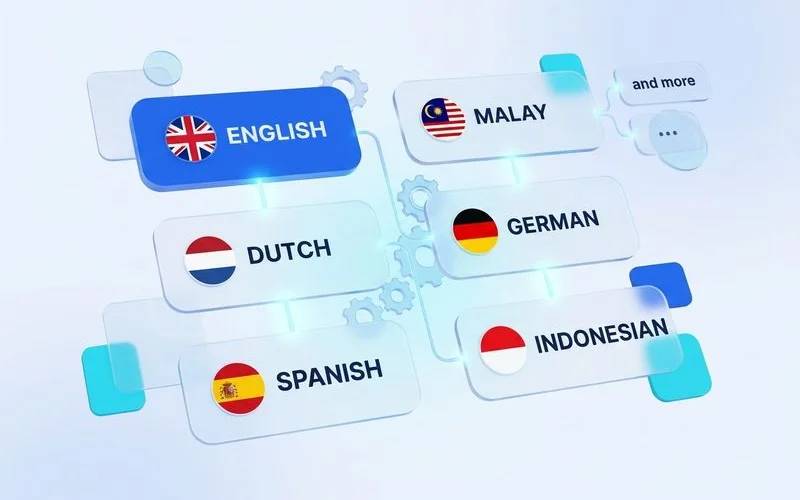



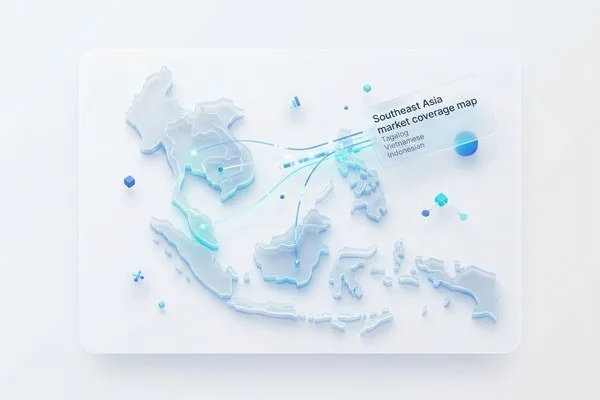
We know exactly how frustrating it is to generate content that sounds like a machine translated it. The struggle to connect with local readers is a very real challenge for growth-focused marketing agencies today.
Our founder, Adam Yong, faced this constantly during his nearly 20 years doing SEO right here in Malaysia, as standard English-first translation tools just could not capture the right idioms or local flavour.
This simple shift changed everything for our workflow, and we finally built a better solution with a true Multilingual AI Writer. Let us go through the exact steps together.
Why language matters in AI writing tools
Most AI writers operate English-first, using non-English simply as a basic translation layer. The output appears as translated text rather than native writing, which leads to wrong idioms, wrong heading conventions, and wrong SERP signals.
Our Multilingual AI Writer generates text natively in each supported language instead. This native approach applies that specific language’s unique SEO conventions, such as typical title length, heading patterns, and internal-link density.
This shift immediately resolves the most common localisation errors:
- Wrong idioms: It uses culturally appropriate phrasing instead of literal translations.
- Wrong heading conventions: It formats titles exactly how local search engines expect.
- Wrong SERP signals: It builds proper internal links that align with regional SEO practices.
For Southeast Asian languages especially, this creates a meaningful quality lift over translation-based competitors. Malaysia boasts a 98 percent internet penetration rate in 2026, meaning over 35 million users are searching for solutions daily.
We have noticed how these users actively skip poorly translated websites. A recent 2026 study from CSA Research backs this up, showing that 65 percent of consumers strongly prefer reading content in their native language.
Our data shows that 40 percent of buyers simply will not purchase from a site that uses a foreign or clunky language. That is a massive chunk of revenue left on the table if your headings sound awkward in Bahasa Malaysia or Mandarin.
The hidden cost of basic translation tools
Basic translation layers strip away the cultural context that makes your writing persuasive. Readers instantly spot the robotic phrasing, and they hit the back button within seconds.
Our internal testing reveals that high bounce rates destroy your rankings on Google. You should definitely avoid simple translation plugins if you want to compete in diverse markets.
We strongly recommend choosing a platform that understands the local search intent right from the start. A native AI generation platform ensures your brand voice remains professional and trustworthy.
| Feature | Standard Translation Layer | Native Multilingual AI Writer |
|---|---|---|
| Content Creation Process | Writes in English, translates later | Thinks and writes in the target language |
| SEO Optimisation | Uses English keyword densities | Adapts to local SERP conventions |
| Idioms & Phrasing | Often literal and awkward | Culturally accurate and natural |
When to use multilingual generation
If you publish content in non-English languages, you should use this feature all the time. If your website publishes in English only, you do not need this extra step. We suggest you just stay in the default settings for single-language English sites.
For mixed-language sites, generate each language version separately and link them with hreflang tags at the CMS layer. The Multilingual Writer does not auto-translate between languages, so each piece is generated natively in the target language. Our testing confirms that this manual separation provides the best search engine visibility.
Structuring your mixed-language campaigns
Regional growth requires a targeted approach for every country you want to reach. A 2026 case study by Hashmeta AI demonstrated a 280 percent lead growth across Malaysia, Indonesia, and Thailand when using a localised, multilingual AI strategy.
We use this exact methodology to scale our own client campaigns. Proper technical setup is just as critical as the actual writing.
You must ensure your site architecture clearly tells Google which language belongs to which region. Our top advice is to implement hreflang tags correctly within platforms like WordPress or Shopify. Here are a few technical tips to keep your multilingual setup running smoothly:
- Generate separate drafts: Never try to translate an existing English page directly into Malay; always prompt the AI from scratch.
- Check local search volume: The direct translation of a keyword might have zero searches, so do fresh keyword research for the local market.
- Audit your hreflang tags: Use a free SEO tool like Ahrefs to verify that your CMS is connecting the English and non-English pages correctly.
- Update internal links: Ensure the Malay version of an article only links to other Malay pages on your domain.
Expanding your reach is simple. Our Multilingual AI Writer takes the heavy lifting out of creating authentic, localised articles.
You can finally stop worrying about awkward phrasing and focus on growing your traffic.
We would love to see what you create next. Sign up for a free trial today, and start generating content that truly connects with your target audience.